Footwear
Loafers Judged From the Sole Up: Four Pairs Compared
How four widely recommended women's loafers compare on sole construction, break-in and fit — G.H. Bass Weejuns, Sam Edelman Loraine, Vionic Uptown and Quince's suede penny.
Clothing, shoes & accessories, honestly reviewed
Footwear
How four widely recommended women's loafers compare on sole construction, break-in and fit — G.H. Bass Weejuns, Sam Edelman Loraine, Vionic Uptown and Quince's suede penny.
By Priya Nair · Footwear Editor
Last updated November 12, 2026
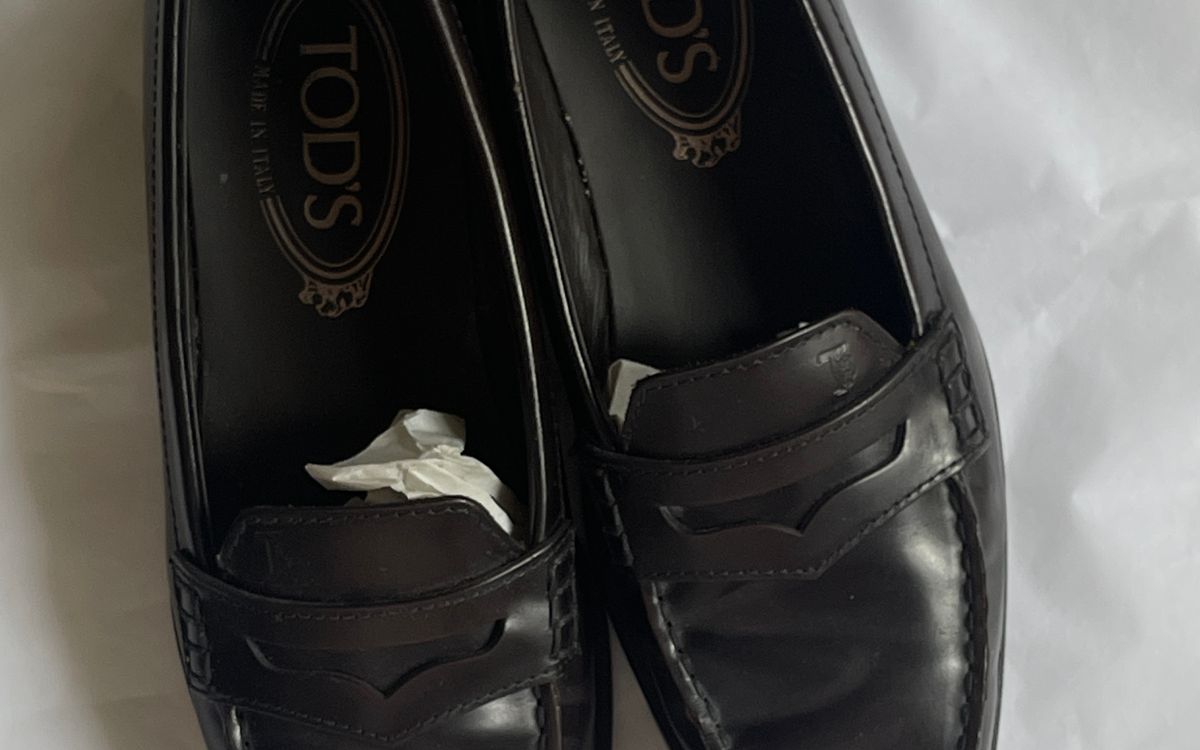
A loafer is the only dress-adjacent shoe most women will walk five miles in without noticing, which is exactly why the cheap ones betray you. They look identical to the expensive ones on a shelf — same silhouette, same leather smell, same slip-on ease — and then month two arrives and the glued sole starts peeling at the toe. The difference between a loafer that lasts five years and one that lasts five months is invisible from the outside. It lives in the sole construction, the stiffener inside the heel, and the way the upper is attached. The four pairs below are the ones owner reviews and editors keep circling back to, at prices from $84 to $195, and they earn their places for different reasons: heritage construction, zero break-in, arch support, and honest value.
Every loafer failure I hear about — peeling soles, collapsed heels, curling toe boxes — traces back to how the sole was attached. There are three methods in circulation. Cemented construction glues the sole to the upper; it is fast, cheap, and the reason a $60 pair goes to landfill in two seasons. Blake stitching sews the sole directly to the insole from inside the shoe, producing a slim, flexible profile that can be resoled by a cobbler. A full welt is the heavyweight method, stitching the sole to a leather strip that runs around the shoe’s perimeter.
Loafers almost never carry a full welt — the slim profile that makes them dressy leaves no room for one. So the real decision at this price level is Blake-stitched leather versus cemented anything. A Blake-stitched shoe costs more up front and can be resoled for a fraction of its price; a cemented shoe cannot be rebuilt at any price. If that distinction is new to you, our Goodyear welt vs cemented explainer walks through the mechanics and the cost arithmetic of each.
The heel stiffener matters as much as the sole. Press the back of any loafer between thumb and fingers: a firm heel counter that barely dents will hold its shape for years, while a heel that folds like cardboard will collapse by summer. No brand prints this spec, which is why the test belongs in your hands, in the store or on arrival.
G.H. Bass has made the Weejuns since 1936 — the name is a compression of “Norwegians,” a nod to the fisherman’s shoe American college students brought home in the thirties — and the Whitney is the women’s version of that shape. The construction details read like a cobbler’s spec sheet: handsewn moccasin stitching, a Blake-stitched leather outsole that Bass explicitly markets as resoleable, and an unlined leather upper over a leather insole. The leather outsole is the point. It can be replaced when it wears through, which turns the $195 asking price into a per-year cost that drops every time the shoe is serviced instead of discarded.
The catch is the first week. Reviewers and Bass’s own product page agree the shoe runs large — the official recommendation is to size down half a size — and the leather breaks in over roughly a week of short wears. Expect a firm feel across the instep on day one that softens into shape by the end of the month. The penny slot on the vamp, the detail that gave the style its name when students began tucking coins into it, sits exactly where it has sat since the fifties. Buy this pair if you want the archetypal penny loafer and accept a break-in as the entry fee.
The penny strap across the vamp is the style’s original detail — flat, plain, and stable under a trouser hem.
The Loraine is the horsebit loafer — a metal bar across the vamp in the Gucci lineage — and its pitch is the opposite of the Whitney’s: the leather is soft from the first wear. Travel + Leisure listed it at $150 at Amazon in mid-2026, and its reviewers describe a pliable upper that conforms to the foot without any break-in period, which makes it the pick for anyone who has been scarred by stiff shoes before.
Two fit facts make the Loraine unusually forgiving. It runs true to size across a wide range — the line covers women’s 4 through 13, including the half sizes small-footed and large-footed shoppers usually lose — and the color catalog runs to roughly thirty options, so matching an existing wardrobe costs nothing extra. The trade-off against the Whitney is construction: the Loraine’s sole is cemented, so its practical lifespan is the life of the glue bond, and no cobbler can extend it. That is the honest arithmetic of the softer shoe. You are buying immediate comfort and color variety, not a ten-year project. If your priorities put daily ease above longevity, this is the rational pick; if you resole and keep shoes for a decade, the Bass wins on cost per wear.
Most loafers fail as walking shoes because their footbeds are flat boards with a cosmetic layer of foam. The Vionic Uptown is built around the opposite premise: a molded, arch-supportive Vio Motion footbed — the same orthotic logic Vionic puts in its dedicated comfort line — under a flexible sole. Business Insider’s 2026 loafer roundup named it the best pair for walking, and a Travel + Leisure writer logged 6,000 steps a day across Paris in it without the usual end-of-day ache. Those are editorial trials, not lab measurements, but they point the same direction as the footbed design: this is the loafer for days that are more errands than office.
The Uptown lists at $145 and appears at well under $100 in seasonal markdowns — Travel + Leisure caught it at $86 — so patience is literally worth about $50 here. The sole is cemented like the Loraine’s, and the collapsible-heel design that makes it easy to slip on also means it should be treated as a comfort shoe rather than a resoleable heirloom. Over twenty colorways cover both conservative and metallic territory. Anyone whose feet need real support should read the arch notes carefully, because this is the one loafer in the group engineered around them.
At $84, Quince’s Italian suede penny loafer is the entry point, and Business Insider’s editors flagged it as their budget pick after finding it a surprise hit: supple sheepskin suede, a lightly cushioned footbed, and an easy break-in at a price that undercuts every other pair here by a wide margin. The leather is garment-grade rather than shoe-grade in firmness, which cuts both ways — it molds fast and it scuffs faster.
Suede changes the maintenance contract, too. Nubuck and suede drink rain, salt stains set into the nap, and the cleaning routine is a brush, not a cloth — our best flats for wide feet guide covers similar material trade-offs in a flatter profile. The Quince is cemented, like most shoes at this price, so treat it as a two-to-four-season shoe and the value proposition holds. Buy it as your first serious loafer or as the suede accent pair, and you will not feel the price. Buy it expecting Bass longevity and you will.
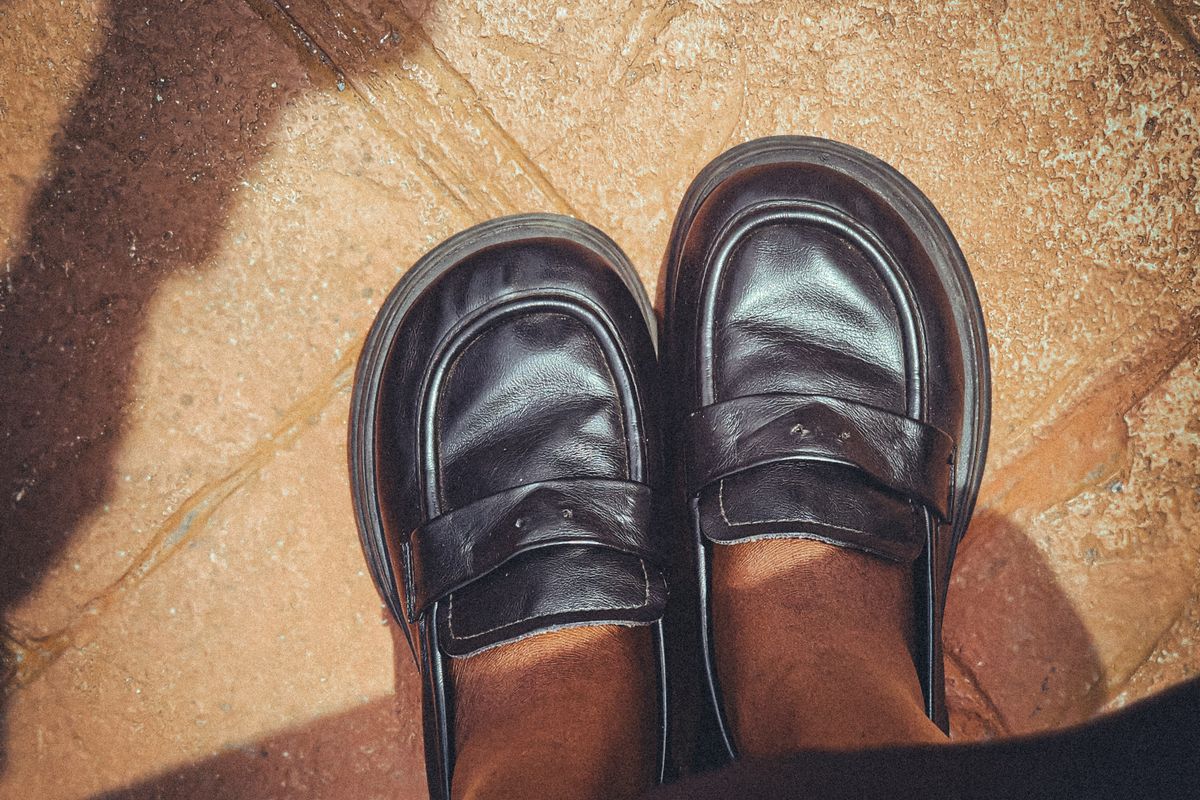
Lug soles have pushed into the loafer mainstream — chunkier underfoot, but the same fit rules apply.
Loafers are cut close to the foot, which makes small fit signals louder than they would be in a boot. The first is the size-down question: the Whitney runs half a size large and should be bought half a size down, while the Loraine and Uptown run true to size. Order from a retailer with easy returns the first time you try any new loafer brand, because the blocks differ between makers more than between sizes.
The second is the vamp. A loafer holds on by gripping the instep, so a low, flat instep may find even a correctly sized pair loose across the top — and unlike a lace-up, there is no strap to compensate. The heel should feel close to snug on arrival; leather uppers relax by a few millimeters over the first weeks, and a heel that slips on day one only gets worse. If you routinely need width adjustments, the wide-fit picks in the flats guide are a better starting point than any of the four here, and for days that end in heels instead, our comfortable heels for work selection takes over where loafers stop.
The break-in contract differs by shoe, and pretending otherwise is how blisters happen. The Whitney needs short wears for roughly a week — an hour at a time, thicker socks, no long walks until the leather has taken your shape. The Loraine and the Quince need essentially nothing; wear them out of the box. The Uptown sits in between, needing only the standard check that the arch hits where your arch actually is.
Two cheap tools extend every pair. A leather-safe waterproofing spray, applied thin and outdoors before first wear, buys insurance against the rain day that would otherwise stain the nap and stiffen the finish. And adhesive heel pads — the felt kind — solve the half-size-between problem for a few dollars, buying time until you know the shoe well enough to commit to its true size.
| Pair | Sole construction | Footbed | Fit | Price |
|---|---|---|---|---|
| G.H. Bass Whitney Weejuns | Blake-stitched leather, resoleable | Flat leather | Runs large — size down half | $195 |
| Sam Edelman Loraine | Cemented | Lightly padded | True to size, sizes 4–13 | $150 |
| Vionic Uptown | Cemented, flexible | Molded arch support (Vio Motion) | True to size | $145 list |
| Quince Italian Suede Penny | Cemented | Lightly cushioned | True to size, molds fast | $84 |
Buy the Whitney if you want one pair for the next decade and accept one stiff week as the toll; its resoleable construction is the only one here a cobbler can rebuild. Buy the Loraine if immediate comfort and a color to match everything outrank lifespan. Buy the Uptown if your days are measured in steps rather than meetings — it is the only pair here built around an arch rather than a silhouette. Buy the Quince if you are testing whether loafers earn a place in your wardrobe at all, or as the suede pair next to a leather one.
What none of the four replaces is a genuine walking shoe. The classic loafer formula trades support for polish, and 10,000-step days on hard pavement will expose that trade sooner than any review does. Keep the loafers for the days that suit them, and let the shoes built for mileage do those days.
Big. Bass itself recommends sizing down half a size on the Whitney, and buyer feedback repeats the same warning. The unlined leather also relaxes with wear, so a snug first fitting turns comfortable while a loose one only gets looser.
Classic penny and bit loafers are errands shoes, not mileage shoes — their flat soles and thin footbeds were inherited from menswear dress codes. For all-day walking, a comfort-oriented pair like the Vionic Uptown, with its arch-supportive molded footbed, is the appropriate tool.
Some can. The G.H. Bass Whitney is Blake-stitched with a leather outsole that a cobbler can replace, and Bass advertises the shoe as resoleable. Most cemented-sole loafers, including most budget pairs, cannot be rebuilt — when the sole wears through, the shoe is finished.
Everything on this page comes back to one question: what does the label tell you, and what does the thing do on month three? Start at the care companion to build a washing and storage routine that fits what you actually own.
The ASTM D5489 symbol system, decoded operation by operation.
Cool-water washing, de-pilling without damage, moth-proof storage.
What feeds the aging curve and what breaks it.
Priya Nair · Updated October 1, 2026
Priya Nair · Updated September 19, 2026
Priya Nair · Updated September 19, 2026
Priya Nair · Updated September 12, 2026