Guides
How to Care for Cashmere: Washing, De-Pilling and Storage That Prevents Moths
How to care for cashmere the right way — hand washing in cool water, de-pilling without damage, and moth-proof storage that keeps sweaters soft for years.
Clothing, shoes & accessories, honestly reviewed
Guides
How to care for cashmere the right way — hand washing in cool water, de-pilling without damage, and moth-proof storage that keeps sweaters soft for years.
By Claire Whitmore · Fashion Editor
Last updated September 5, 2026
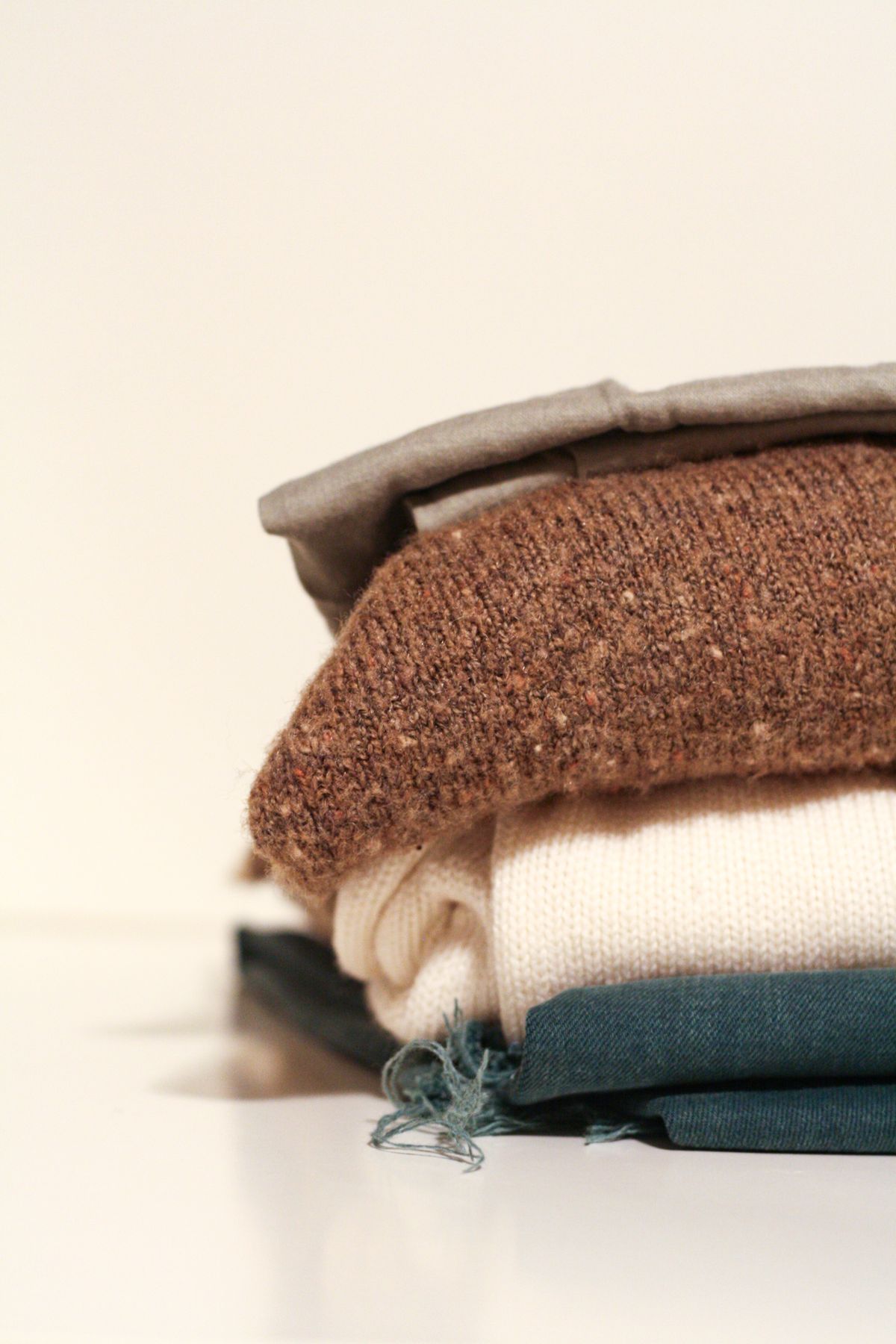
The fear around cashmere care is mostly misplaced. Good Housekeeping’s Institute — whose cleaning lab has tested laundry methods for over a century — points out that cashmere is actually durable for a fine fiber and that most plain sweaters, scarves, and hats can be washed at home, either by hand or on a careful machine cycle. The two things that genuinely destroy it are heat and agitation, and both are easy to avoid once you understand why.
Hand wash in cool water with a wool-safe detergent — Woolite or a dedicated cashmere wash both work. Pre-treat stains by working a little detergent in with your fingertips, never scrubbing. Submerge the sweater, press the soapy water through gently, and let it soak up to 30 minutes, the method the Good Housekeeping Institute recommends. Rinse in fresh cool water until the water runs clear, then never wring. Roll the sweater in a clean towel and press to absorb moisture: a wet cashmere sweater lifted by the shoulders will stretch permanently under its own water weight.
Dry flat on a fresh towel, reshaping to its original dimensions — knits dry in whatever shape you leave them. The Institute’s Carolyn Forte confirms most machine-washable cashmere survives a cold wool cycle, inside out, in a mesh bag, at the lowest spin. Wash only once or twice per season; over-washing is itself a cause of pilling and shrinkage. Use steam to release wrinkles, not an iron — direct pressure flattens the loft that makes cashmere feel like cashmere.
Pilling is a friction symptom, not a quality verdict. Pills form where the sweater rubs — under the arms, at the sides where a crossbody bag strap sits, where a coat sleeve crosses it. The consensus across knitwear guides is that a good sweater actually pills less over time as loose surface fibers wear away. Manage it: rest a piece at least 24 hours between wears so fibers recover, and remove pills with a cashmere comb or fabric shaver using light strokes, only when the garment is completely dry. Never pick pills by hand — that pulls intact fibers out with them.
It is the larvae, not the adult moths, that eat knitwear — and they are drawn to the traces of body oil, sweat, and food residue on worn garments, not to clean fiber. That makes the golden rule simple: wash before storing, even a sweater worn once. Make sure it is fully dry, then fold — hanging stretches shoulders permanently — and store in a sealed container for the off-season, with cedar blocks or lavender sachets added. Cedar scent fades within months, so sand the block lightly or add a drop of cedar oil each season, or the deterrent stops working. If holes appear, freeze the garment at -18°C for at least 72 hours, which kills every life stage of the moth, then clean it.
These habits are what separate a sweater that lasts decades from one that lasts a season — the kind of piece worth shortlisting in our best cashmere sweaters guide, and a core skill for anyone following a capsule wardrobe checklist. The same fiber-first logic explains why some fabrics survive years of washing while others fail — see the fabric guide.
Yes, if the care label allows it. Turn the sweater inside out, put it in a mesh bag, and run a cold wool or delicate cycle at the lowest spin speed. Good Housekeeping's cleaning experts note that many modern cashmere pieces tolerate this, though hand washing remains the gentler option.
You cannot prevent pilling entirely — it comes from friction wherever the sweater rubs, like under the arms or where a bag strap sits. Reduce it by washing infrequently and resting the piece 24 hours between wears, and lift pills off with a cashmere comb or fabric shaver only when the sweater is fully dry.
Wash the sweater before storing — moth larvae are attracted to body oils and residue, not clean fiber. Fold it into a sealed container for the off-season with fresh cedar blocks or lavender sachets, refreshed each season. If you find holes, freeze the garment at -18°C for 72 hours to kill eggs and larvae.
Claire Whitmore · Updated September 19, 2026
Claire Whitmore · Updated September 17, 2026
Claire Whitmore · Updated September 11, 2026