Footwear
Full-Grain, Top-Grain, Genuine, Bonded: What Leather Grades Actually Mean
A plain-language breakdown of the four leather grades, where each comes from on the hide, how long each lasts, and the genuine-leather marketing trap.
Clothing, shoes & accessories, honestly reviewed
Footwear
A plain-language breakdown of the four leather grades, where each comes from on the hide, how long each lasts, and the genuine-leather marketing trap.
By Priya Nair · Footwear Editor
Last updated September 19, 2026
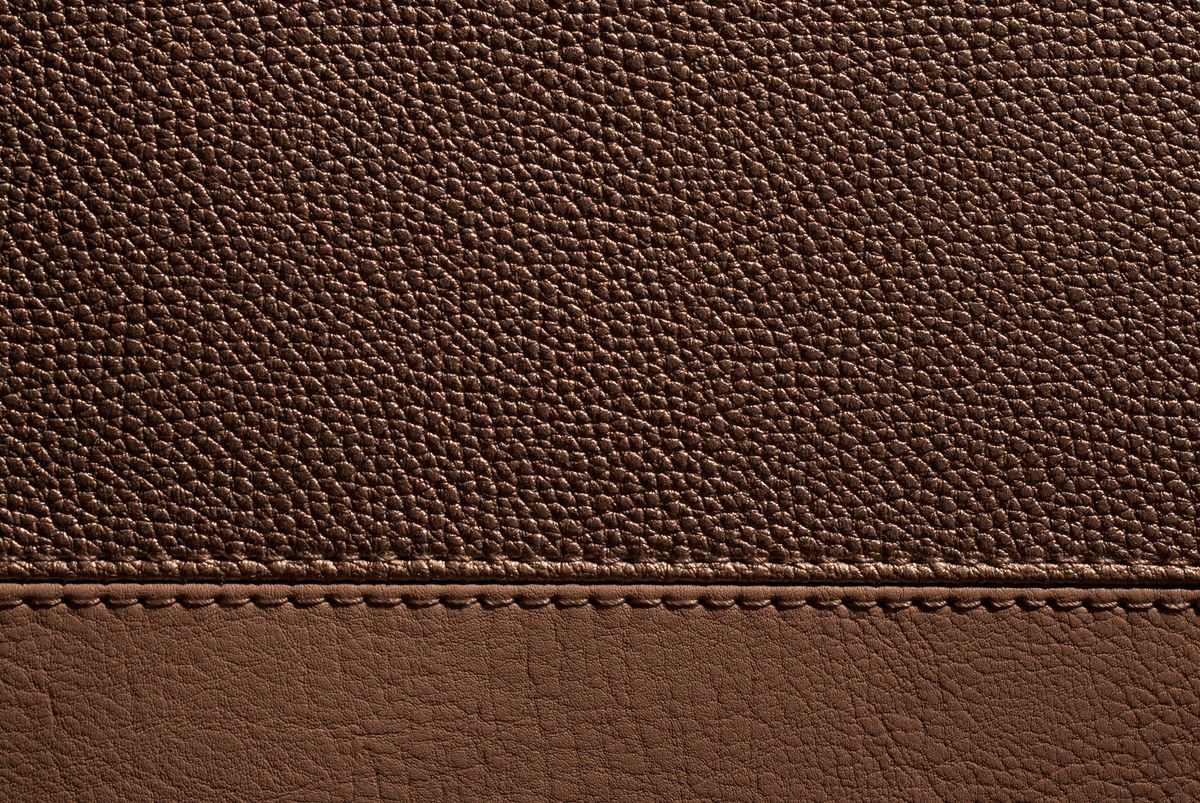
Every leather label implies a ranking, but only some of them contain one. The words that matter describe where the material sat on the hide: the dense outer grain or the looser layers beneath it. In the hierarchy most tanneries and leather educators use — full-grain, top-grain, genuine, bonded — durability tracks that order almost exactly, and the word “genuine,” which sounds like a guarantee, actually names one of the lowest tiers. Knowing the layers turns an opaque label into a readable one.
A raw hide is thick enough to be split horizontally in the tannery, and each layer becomes a different product. The grain — the outermost, densest layer, with all the natural texture — is what full-grain leather is cut from. As the guide from leather retailer Grainmark describes it, the layers underneath have a looser fiber structure because they sit deeper in the hide, and they become split leather, the raw material for suede and for embossed, coated leathers. Bonded leather is not a layer at all: it is leftover shreds and fibers compressed with adhesive onto a sheet, which is why one industry comparison calls it the particleboard of the leather world.
Nubuck and suede complicate the picture, but they are finishes, not grades. Nubuck is the grain side of full-grain leather lightly sanded; suede is the flesh side of the split buffed to a nap. The same hide can produce both, and their durability follows the layer they came from, not the texture on top.
Full-grain is the complete outer layer, unsanded. It keeps the tightest fibers and every natural mark, develops a patina over years of use, and is the grade industry references credit with lasting decades. It is also the most expensive, since it tolerates the least correction.
Top-grain is the same outer layer with the surface lightly sanded or buffed to even out scars and marks, then finished. It is more uniform and often more stain-resistant than full-grain, slightly less durable, and typically 10 to 15 years of service in the comparisons cited by the leather guide Leatherica.
Genuine leather is where the marketing language diverges from the material. It is real hide, usually from the split layers, that has been sanded, coated with pigment and embossed with an artificial grain pattern. Nobbier’s leather explainer notes that a label reading only “genuine leather” is technically accurate but guarantees very little, and industry durability estimates for coated splits commonly land at two to five years of daily use before cracking or peeling.
Bonded leather reconstitutes scraps: fibers mixed with polyurethane or latex binder, pressed into sheets and coated to mimic grain. It has no continuous fiber structure, does not develop patina, and is the grade most likely to peel. Manufacturing data compiled by Szoneier Leather puts its tensile strength at roughly 5 to 7 MPa, against about 15 to 18 MPa for full-grain cowhide — a useful illustration of why the grades behave so differently under stress.
The trap works because the word does honest-sounding work. “Genuine” distinguishes the product from synthetics — it is not PU or PVC — while saying nothing about which part of the hide was used. Nobbier adds a practical tell: a product description that avoids naming any grade at all is usually worth treating as a small red flag rather than an oversight. The useful question is not “is this genuine leather?” but “which grade is this?”
Three checks do most of the work. First, the cut edge: solid leather — full-grain or top-grain — shows compressed fiber all the way through, while bonded leather reveals a fabric or fiber backing under a thin coating, the fastest reliable test. Second, the surface: real grain has an irregular pore pattern that never repeats, whereas an embossed grain is stamped from a plate, so an identical pore cluster appearing twice signals corrected leather. Third, the press test: full-grain creases and wrinkles around a thumb the way skin does and relaxes back, while heavily coated surfaces resist or hold a dent. None of these separate a well-finished split from full-grain on their own — for that, only a seller willing to state the grade plainly will do, which is itself useful information. The same layer logic applies across categories, from footwear to bags, because the hide only has one grain layer no matter what it becomes.
Not fake, but low in the hierarchy. As the leather guide Grainmark explains, genuine leather usually comes from the split layers beneath the grain, which are weaker and need coating or embossing to be usable — real hide, but a shorter lifespan than full-grain or top-grain.
Full-grain, because its tightest surface fibers are intact. Industry comparisons commonly credit full-grain with decades of service, while top-grain — the same outer layer with the surface sanded — trades some of that natural strength for a more uniform finish.
Look at a cut or unfinished edge. Bonded leather is shredded hide fiber glued onto a fabric or fiber backing, so the edge shows a thin leather-looking layer over a visible substrate, and the surface tends to crack or peel rather than age.
Priya Nair · Updated September 19, 2026
Priya Nair · Updated September 12, 2026
Priya Nair · Updated September 9, 2026