Zippers, Feet and Strap Anchors: Why Handbags Fail Where You Don't Expect
Handbags rarely die from fabric — zippers, strap anchors and base corners fail first. What zipper grades, plating and stitching patterns predict about lifespan.
By Elena Brooks · Accessories & Jewelry Editor
Last updated September 19, 2026
A handbag almost never fails in the fabric. The shell outlasts everything
else on the bag; what gives out first is a thumb-sized piece of cast metal
or a few millimeters of thread at a strap anchor. Understanding the four
or five hardware points where bags actually die — and what the marks on
that hardware promise — tells you more about a bag’s lifespan than any
leather grade or lining description.
Where bags actually fail, ranked
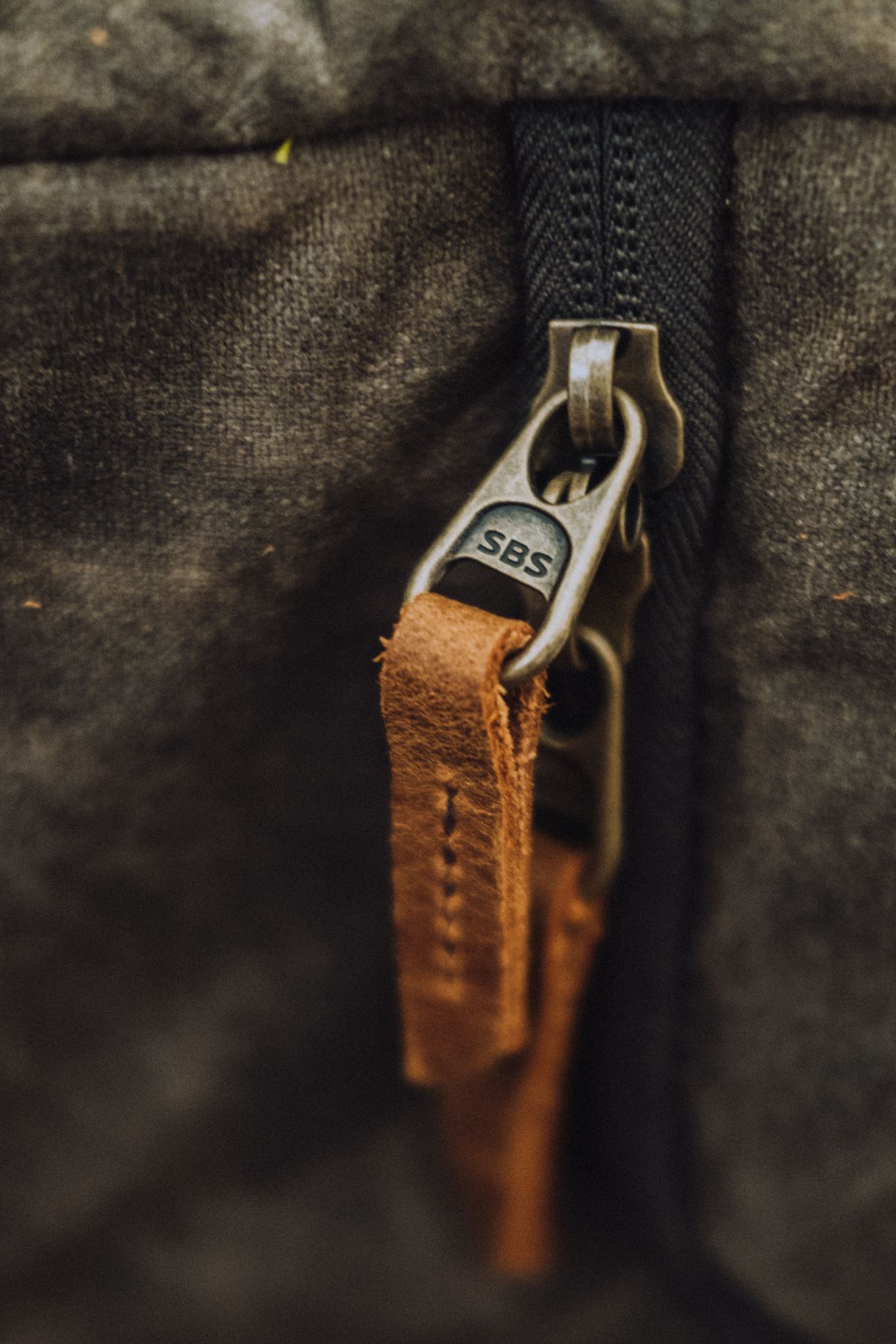
The zipper slider sits at the top of the list. LenZip, an American zipper
manufacturer, estimates that roughly 80% of luggage zipper problems stem
from the slider, not from broken teeth or torn tape. The slider is a
small cast-metal carriage whose internal channel forces the two halves of
the chain to mesh; every open-close cycle wears that channel slightly
wider, and grit or off-axis yanking accelerates the process. Once the gap
grows by a fraction of a millimeter, the slider glides over the teeth
without closing them and the zip opens behind your hand. The good news is
that this is the cheapest failure to fix — Rainy Pass Repair, one of the
larger outdoor-gear repair houses in the United States, lists slider
replacement from around $36 — while a full zipper rebuild, where the
chain must be unpicked from bound seams and sewn back in, runs $60 to $80
by professional repair techs’ accounts.
Strap anchors come second, and they are the failure that ends a bag
outright. All the load you carry concentrates where the strap joins the
body; if the strap is sewn straight into a single seam, that load pulls on
a few millimeters of thread. Repair-focused guides consistently point to
the same reinforcements as the marks of a load-bearing join: a box-X
stitch pattern (a rectangle crossed by a diagonal), metal rivets, or a
separate load-bearing piece of leather or webbing sandwiched into the
seam.
Base corners and feet rank third. A bag set down on pavement grinds its
bottom corners first; metal feet exist to take that abrasion instead of
the leather or fabric. Feet that are solidly riveted through a reinforced
base panel do the job, while feet set into thin material can pull out and
leave a hole — turning a protective feature into a new failure point.
What the YKK stamp does and doesn’t tell you
YKK stands for Yoshida Kogyo Kabushikikaisha — Yoshida Manufacturing
Corporation — founded by Tadao Yoshida in Tokyo in 1934. The scale is
hard to picture: in its 2024 fiscal year the company sold over ten
billion zippers, and a Harvard Business Review research team estimated in
2022 that it holds roughly 40% of the market by value. Because YKK makes
everything in-house, down to the machines, the stamp signals consistent
manufacturing tolerances.
But YKK sells a full range from budget to premium, so the stamp is a
floor, not a ceiling. What matters alongside it is the chain type: nylon
coil zippers are flexible and light, the default for soft bags; metal
tooth zippers engage more strongly but are heavier; reverse coil zippers
hide the coil under the tape for a cleaner face. Size matters too — #5 is
the everyday workhorse for bags, while #8 and #10 suit heavy luggage. On
security-minded designs, look for an auto-lock slider, which uses a small
internal pawl that grips the chain the moment pulling pressure stops, so
a bag cannot work itself open in transit.
Plating: why gold tone goes first
Bag hardware is almost never solid metal. Buckles, D-rings, sliders and
rivets are typically a zinc alloy or steel base with a plated finish, and
the plating — not the metal underneath — determines both the look and the
lifespan. High-contact pieces like slider pulls and clasps wear through
plating first, and lighter gold tones show that wear more readily than
darker gunmetal or antique finishes. Cheap “pot metal” hardware is worse
still: zinc-plated alloys chip, tarnish and snap, which is why
durability-focused reviewers suggest tapping a piece — solid hardware
rings, hollow-feeling alloy thuds.
Plating also carries a regulatory dimension. The EU’s REACH regulation
restricts how much nickel can release from items in prolonged skin
contact, which includes bag straps and closures, so reputable makers spec
nickel-free plating and back it with corrosion testing.
Maintenance that actually extends hardware life
Grit is the main enemy of any zipper, so brush the chain clean rather
than forcing a gritty slider. For metal-tooth zippers, a light application
of paraffin wax keeps the action smooth; for coil zippers, keeping the
channel free of lint and sand is enough. Check strap anchors a few times
a year — a loose thread at a box-X stitch is a minor repair, while a torn
anchor usually ends the bag. Wiping plated hardware after rain slows
tarnish, and standing a bag on its feet instead of its base corners is
what those feet are for. For the fabric side of the same routine, our
bags-accessories section covers care by material, and
the guides hub collects the longer care walkthroughs.
Frequently asked questions
What is the most common point of failure on a handbag?
The zipper slider first, then the strap anchor stitching. LenZip, an American zipper manufacturer, estimates that roughly 80% of luggage zipper problems come from the slider rather than broken teeth, and repair guides treat unreinforced strap anchors as the most common catastrophic failure. Both are cheap to reinforce at purchase time and costly to fix after.
Does a YKK zipper guarantee a good bag?
No — it sets a floor, not a ceiling. YKK makes zippers across a wide quality range, so the stamp means consistent manufacturing tolerances rather than a premium grade. What matters alongside the stamp is the chain type (coil, metal-tooth, reverse coil), the size number (#5 for everyday bags, #8–10 for heavy luggage), and whether the slider is auto-locking.
Why does gold-tone hardware lose its finish faster than silver-tone?
Handbag hardware is almost never solid metal — it is a zinc alloy or steel base with a plated finish, and gold-toned plating on high-touch sliders and clasps wears through to the base metal faster than darker finishes visually show wear. Plated hardware is also subject to corrosion rules: the EU's REACH regulation restricts nickel release from items in prolonged skin contact, which is why reputable makers spec nickel-free plating.