Jewelry
Sterling Silver vs Stainless Steel: Which Everyday Metal Holds Up
925 silver and 316L stainless steel solve different problems: nickel-free shine versus tarnish-proof toughness. Composition, allergies, and care compared.
Clothing, shoes & accessories, honestly reviewed
Jewelry
925 silver and 316L stainless steel solve different problems: nickel-free shine versus tarnish-proof toughness. Composition, allergies, and care compared.
By Elena Brooks · Accessories & Jewelry Editor
Last updated September 19, 2026
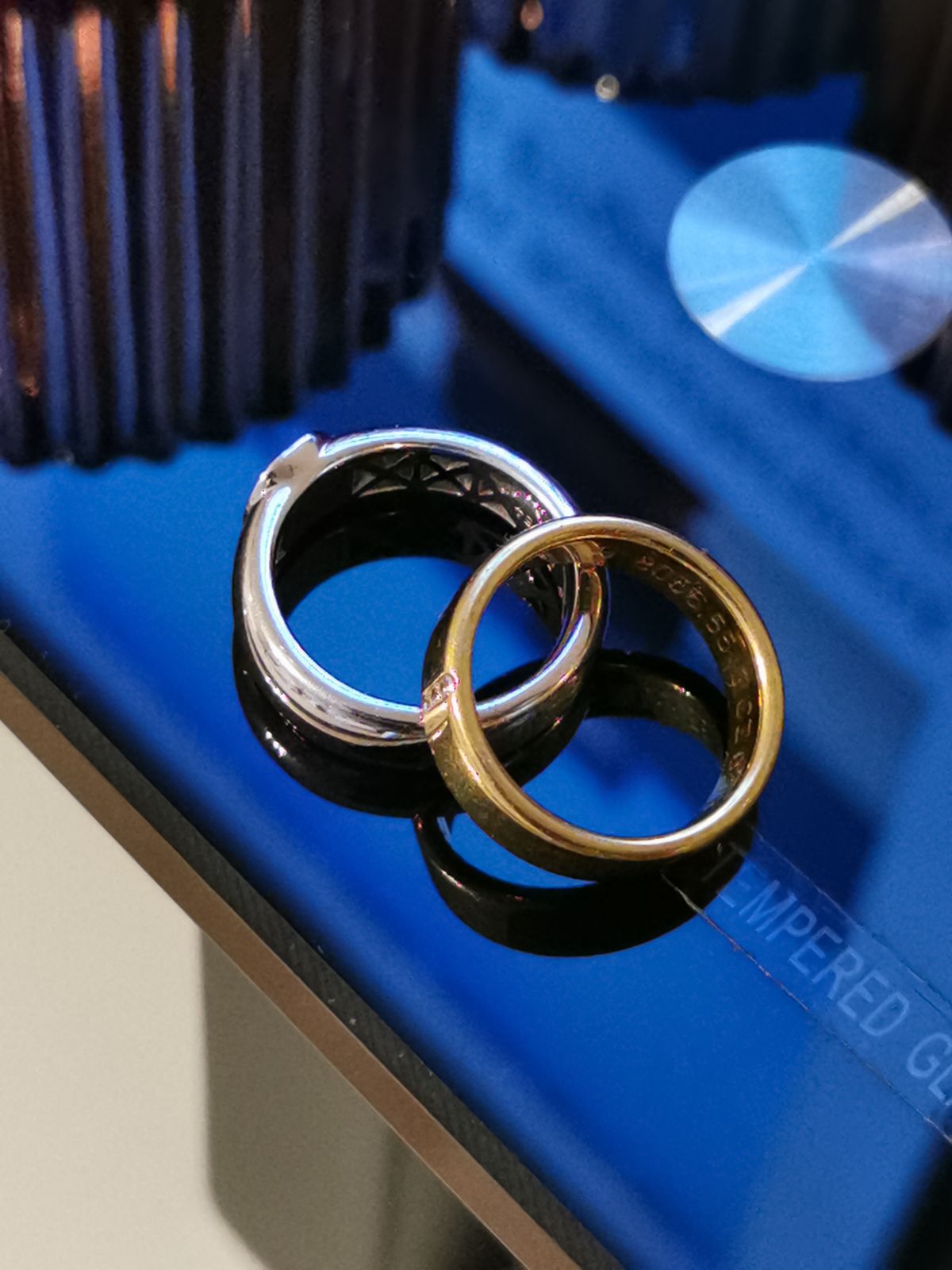
The silver-colored metals in your jewelry box are chemically unrelated. Sterling silver is a precious metal — 92.5% silver alloyed mostly with copper — while the “surgical steel” in affordable jewelry is 316L stainless steel, an industrial alloy of iron, chromium, and nickel. They look similar at first glance, then diverge in almost every practical dimension: how they age, how they interact with skin, and what kind of maintenance they demand.
Sterling silver is legally defined. The FTC states that “silver,” “sterling,” and “sterling silver” describe products containing 92.5% pure silver, and genuine pieces carry a 925 hallmark alongside the responsible company’s mark. The remaining 7.5% is almost always copper, added because fine silver (99.9%) is too soft for jewelry. Stainless steel jewelry grades are 316L and its implant-grade sibling 316LVM: an iron base with roughly 16-18% chromium, 10-14% nickel, and a little molybdenum. The chromium is the functional ingredient — it reacts with oxygen to form a passive, self-repairing chromium oxide layer that blocks rust and corrosion. There is no legal hallmark requirement for steel, which is why grade-stamped pieces (“316L”, “Surgical Steel”) tell you more than unstamped ones.
Nickel is the most common contact allergen in the world, affecting an estimated 10-15% of the population, and it is the deciding spec between these metals. Sterling silver is nickel-free by formulation — just silver and copper — which makes it the safer choice for confirmed nickel allergies. Copper can leave a harmless green smudge on some skin, but that is discoloration, not an allergic reaction. Stainless steel is more nuanced than its “hypoallergenic” marketing: 316L does contain nickel, but reactions depend on nickel release, not nickel content. Because the nickel is bound in the alloy’s crystalline structure and shielded by the chromium oxide layer, quality 316L typically releases nickel well below the EU Nickel Directive limit of 0.5 micrograms per square centimeter per week. Most wearers, including many with mild sensitivity, tolerate it; a diagnosed nickel allergy argues for silver, titanium, or niobium instead.
Aging is where the metals philosophically split. Silver reacts with sulfur in the air to form silver sulfide — the dark patina called tarnish — and humid bathrooms, sweat, and perfume accelerate it from months to days. Tarnish is also reversible: a polishing cloth restores the shine, and some owners actively like the depth of an intentionally oxidized finish. Steel, by contrast, does not oxidize under normal wear. The chromium oxide layer re-forms instantly whenever it is scratched, which is why a 316L chain survives showers, pools, and gym sessions looking exactly as it did on day one. The only condition that genuinely challenges it is chloride residue left sitting on the surface for days, easily handled by rinsing after swimming.
On the Mohs scale, 316L steel sits around 5.5 to 6.3 while sterling silver sits near 2.5 to 3 — steel resists scratches and dents that silver collects within weeks of daily wear. Steel is also harder to resize or repair (it needs specialized welding), whereas any jeweler can solder and resize silver. Silver carries one more property steel cannot: it is a precious metal with intrinsic value, priced against the silver market, repairable and resellable as metal. That maps onto natural use cases. Steel suits never-take-it-off pieces — chains, rings, watches, gym and shower wear — where toughness and zero-maintenance matter most. Silver suits heirloom-type pieces, gemstone settings, and anything where the warm white luster and metal value justify a polishing cloth a few times a year. The metals even differ in weight: silver is denser, so equal-size pieces feel substantially heavier in silver.
The short version: choose steel for resilience and silver for nickel-free skin safety and lasting metal value. Neither choice is wrong — the mistake is buying steel and expecting the weight and warmth of a precious metal, or buying silver and resenting the polishing it requires. Cleaning rules for both live in how to clean jewelry safely, and the plating terms often stamped on top of these metals are covered in solid gold, vermeil and plated terms explained.
Mostly, with a caveat. 316L stainless steel contains roughly 10-14% nickel, but the nickel is bound in the alloy and the chromium oxide layer limits how much reaches skin — quality 316L typically releases nickel well below the EU Nickel Directive threshold of 0.5 micrograms per square centimeter per week. People with diagnosed nickel allergies still have a safer option in sterling silver, which contains no nickel at all.
Silver reacts with sulfur in the air to form silver sulfide, the dark layer known as tarnish, and the copper in the 925 alloy speeds this along in humidity. Stainless steel resists oxidation through a self-repairing passive chromium oxide layer, so under normal wear it does not darken at all.
Under the FTC's rules, the words silver, sterling, and sterling silver describe products containing 92.5% pure silver, and silver items must also carry the name or US-registered trademark of the company standing behind the mark. The 925 stamp itself means 925 parts per thousand are pure silver.
Elena Brooks · Updated September 19, 2026
Elena Brooks · Updated September 19, 2026
Elena Brooks · Updated September 19, 2026