Guides
How to Break in Leather Boots Without Ruining Them
How to break in leather boots without blisters or damage — gradual wear, the right conditioner and socks, spot-stretching tight points, and the shortcuts to avoid.
Clothing, shoes & accessories, honestly reviewed
Guides
How to break in leather boots without blisters or damage — gradual wear, the right conditioner and socks, spot-stretching tight points, and the shortcuts to avoid.
By Claire Whitmore · Fashion Editor
Last updated September 17, 2026
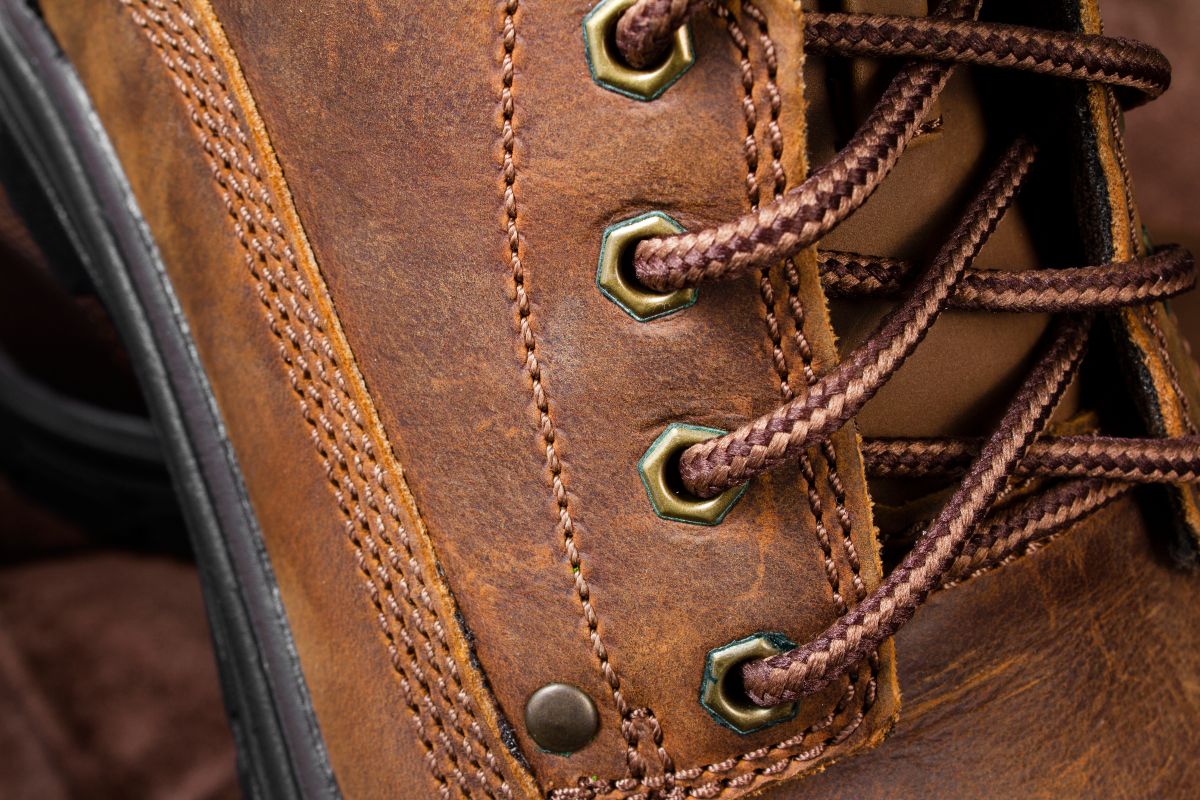
Stiff new boots are not a defect — dense, firm leather is the thing that molds to your feet and holds shape for years, which is why the boot community on r/goodyearwelt treats break-in as a feature you work with, not a problem you blast through. The methods that actually work are slow by design. The shortcuts people reach for — heat guns, water-soaking, a painful first all-day wear — are also the ones that permanently damage the leather.
Break-in fixes stiffness, not sizing. Leather stretches in width but not in length, so a boot that is painfully short stays that way no matter what you do — toes should have room to wiggle, and heel slippage should disappear once the boots are laced snugly. If one specific spot pinches, a cobbler can spot-stretch that exact area cheaply; that is a targeted fix, not a workaround.
Before first wear, apply a thin coat of leather conditioner with a soft cloth, working it into the flex point across the ball of the foot and around the ankle, then let it absorb overnight. This softens the upper so it molds faster. For most boots, Bickmore Bick 4 is the safe choice — it is wax-free and formulated not to darken leather, which matters with lighter leathers; Saphir products are better suited to polished dress boots than rugged ones. A light coat is enough; drenching leather in oil softens it so much it loses structure.
The consensus across care guides and boot forums is that short, repeated wears are what mold leather properly. Wear the boots indoors for an hour or two with the socks you will actually wear them with, then build up by an hour or so each day over the first week. Rest the boots between wears — the leather recovers and dries fully overnight, and so do your feet. Most boots feel noticeably better within one to two weeks of this routine and fully broken in within a month.
Socks are part of the method. Thick, cushioned wool socks do two jobs at once: they gently stretch the leather and they buffer the heel and toe seams where blisters form. Skip cotton during break-in — it holds moisture against skin, and wet cotton is the fastest route to blisters. Put a moleskin pad or blister plaster on the back of the heel before it gets sore, not after; the heel counter is where most break-in damage to skin happens. If a hot spot develops anyway, stop the day’s wear. Sharp pain means a fit problem, and pushing through it only rewards you with a boot that never fit.
Three shortcuts cause most of the damage. Direct heat — hairdryers, radiators, leaving boots in a hot car — drives out the leather’s natural oils and causes cracking, which is the same reason heat-drying a wet bag ruins it, as covered in how to clean a leather bag. Soaking boots to force a stretch warps the shape and can delaminate soles. And storing boots without cedar shoe trees lets moisture and creases set in between wears; the trees absorb damp and hold shape, and they cost less than one cobbler visit.
Once the break-in is done, the boots become the piece that carries a winter wardrobe — the same quality-first logic behind our best winter boots for women picks and worth building a capsule wardrobe checklist around.
One to two weeks of gradual wear for most quality boots to feel noticeably better, and up to a month to fully mold to your feet. Sturdier constructions take longer, but the stiffness is a sign of dense leather that will hold its shape for years once broken in.
Yes — a thin coat of conditioner applied before first wear softens the upper and helps it mold, especially at the flex point over the toes and around the ankle. Use a light layer, let it absorb overnight, and avoid drenching the leather, which can loosen its structure.
No. Direct heat dries out leather's oils and causes cracking, and soaking deforms the shape and can damage the finish. The reliable accelerators are a light conditioner, hand-flexing the boot, thick cushioned socks, and a cobbler's spot-stretch for a specific tight point.
Claire Whitmore · Updated September 19, 2026
Claire Whitmore · Updated September 11, 2026
Claire Whitmore · Updated September 5, 2026