Guides
How to Clean a Leather Bag: Conditioners, Water Stains and What to Avoid
How to clean a leather bag at home without damaging it — the right conditioners, how to fix water stains, and the common mistakes that dry out or crack leather.
Clothing, shoes & accessories, honestly reviewed
Guides
How to clean a leather bag at home without damaging it — the right conditioners, how to fix water stains, and the common mistakes that dry out or crack leather.
By Claire Whitmore · Fashion Editor
Last updated August 26, 2026
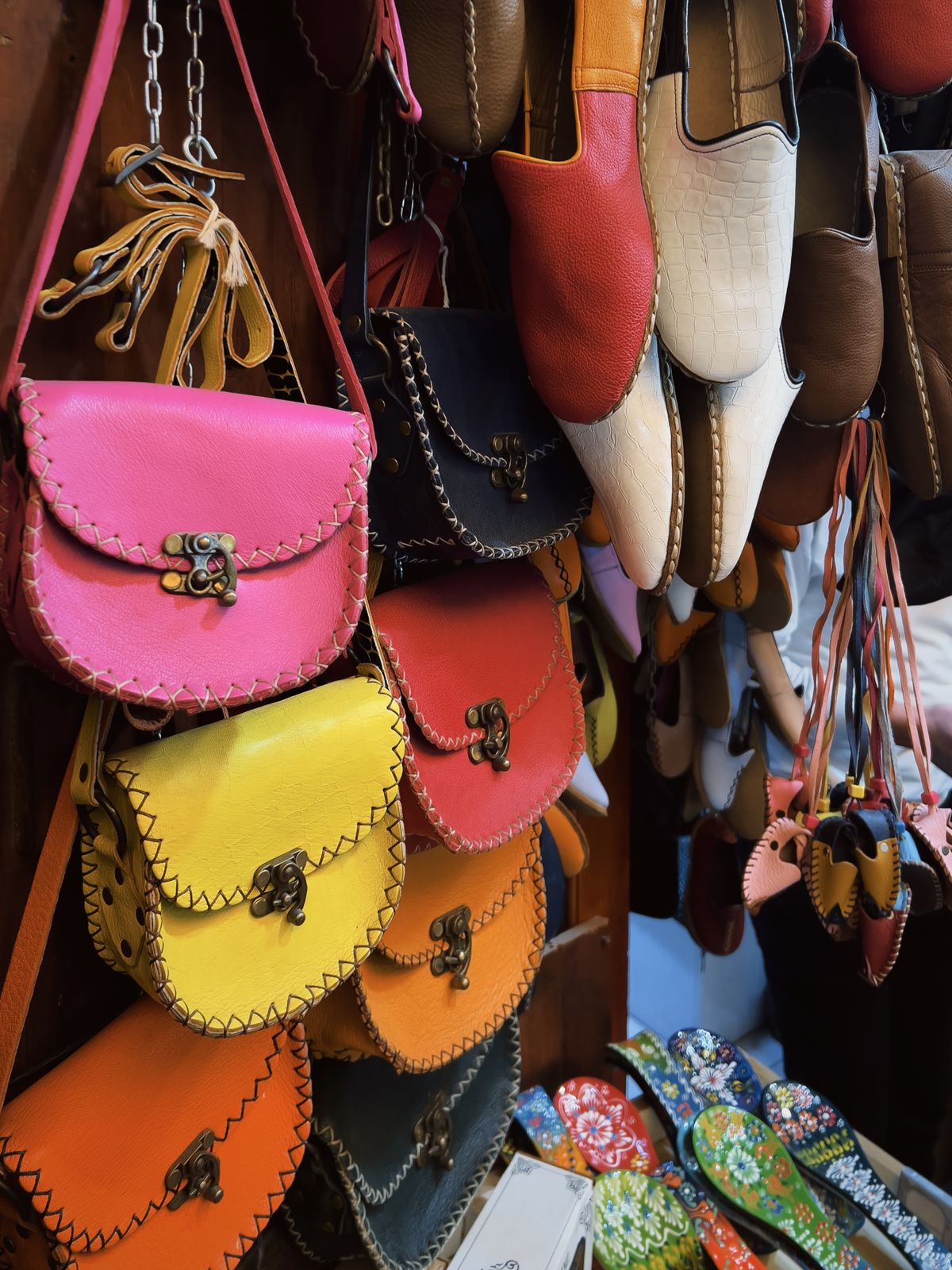
The consensus across leather-care guides is blunt: most leather bags are not ruined by wear, they are ruined by cleaning. Baby wipes, alcohol-based hand-sanitizer transfers, and an overenthusiastic scrub do more cumulative damage than a decade of daily use. The good news is that proper care is a short routine, not a ritual — dust, spot-clean, condition, store correctly — and the products that work are inexpensive and widely stocked.
Start with a dry microfiber cloth and remove surface dust, working in light circular motions — for smooth leather this alone handles weekly maintenance. For smudges, dampen a soft cloth with water (barely — never soak the leather), add a single drop of mild soap if needed, work the spot gently, then follow immediately with a dry cloth. Leather brands like Charles & Keith publish official care guides that stress patch-testing anything new on a hidden area, such as the base or inside a flap, before it touches the visible panels.
Conditioning is the step that determines lifespan. Clean first, then apply a thin layer of conditioner to a cloth — never straight onto the bag — and work it into the whole panel, paying attention to corners and folds where leather cracks first. Let it absorb for 10 to 15 minutes and buff off the excess. For conditioning, Bickmore Bick 4 is the safe all-rounder: it is wax-free and formulated not to darken leather, which matters on lighter bags. Saphir Renovateur is the upgrade pick for fine calfskin — it cleans and conditions in one step, though it can deepen the color slightly. Aim for every two to three months; more is not better, and over-conditioned leather turns tacky.
Water is the most counterintuitive stain. A splash left to dry unevenly leaves a ring because the leather absorbed moisture in one patch. The fix professional guides agree on is to re-wet the entire panel evenly with a barely damp cloth, feathering out from the spot so it dries as one uniform surface. Then let it air dry at room temperature — no hairdryer, no radiator, no sunlight — and condition once dry. Heat is what makes a water spot permanent: it drives out the natural oils and stiffens the fibers. For oil or grease, skip water entirely: blot, cover with cornstarch or talcum powder overnight to draw out the oil, then brush away.
Store the bag stuffed lightly with tissue paper to hold its shape, inside a breathable fabric dust bag — never plastic, which traps moisture and invites mildew. Keep it upright on a shelf rather than hanging by the straps, which stretches the handles over time. Avoid baby wipes and household cleaners outright: their alcohol and ammonia content strips finishes and causes discoloration that no conditioner can reverse. And never overfill the bag — stressed stitching is the most common structural failure on well-loved totes like the ones in our best work totes for women roundup. The same conditioning logic applies to footwear, which we cover in how to break in leather boots.
Treat the routine as maintenance, not rescue. A bag that gets dusted weekly, conditioned quarterly, and stored in a dust bag will develop the patina that makes leather worth buying in the first place — and it is the reason a quality bag earns its place in a capsule wardrobe checklist rather than the donation pile.
Every two to three months for a bag in regular rotation, per the care guides published by leather brands. Apply a thin layer with a soft cloth, let it absorb for 10 to 15 minutes, then buff off the excess — over-conditioning leaves a tacky residue, so less is more.
Moisten a clean cloth with plain water and blend the entire stained panel evenly, feathering outward, so the leather dries uniformly instead of leaving a ring. Let it air dry away from heat, then condition. Heat drying is what turns a water spot into permanent damage.
No. Wipes and household sprays contain alcohol, fragrances, or ammonia that strip the leather's finish and cause discoloration and cracking. Use a damp cloth with a drop of mild soap at most, or a dedicated leather cleaner, and test anything new on a hidden spot first.
Claire Whitmore · Updated September 19, 2026
Claire Whitmore · Updated September 17, 2026
Claire Whitmore · Updated September 11, 2026